Best Four-Ohm Center Channel Speakers for Home Theater
Choosing a center channel speaker that matches a four-ohm load can help maximize clarity, imaging, and dynamics in home theater and multi-room systems. The following five models stand out for delivering crisp dialog, wide soundstage, and compatibility with a range of AV receivers and amplifiers. Each option offers a distinct balance of dialogue clarity, bass response, and cabinet design to fit different rooms and setups. The list below highlights what makes each model unique, along with practical notes on placement, power needs, and integration with other speakers.
| Product | Brand | Notable Feature |
|---|---|---|
| Klipsch R-52C Center Channel | Klipsch | Dual 5.25″ IMG woofers; 1″ aluminum LTS tweeter; 90×90 Tractrix Horn |
| Polk Monitor XT35 Slim Center Channel | Polk Audio | Four 3″ Dynamically Balanced Woofers; 1″ Tweeter; Slim profile |
| Polk Signature Elite ES35 Slim Center Channel | Polk Audio | Six 3″ Woofers; 1″ Terylene Tweeter; Power Port |
| WDiYA Car Center Channel Speaker | WDiYA | 4 Ω impedance; 300W peak; universal no-cut install |
| Micca MB42-C Center Channel Speaker | Micca | 2-way design; carbon fiber woofer; silk dome tweeter |
Klipsch R-52C Center Channel
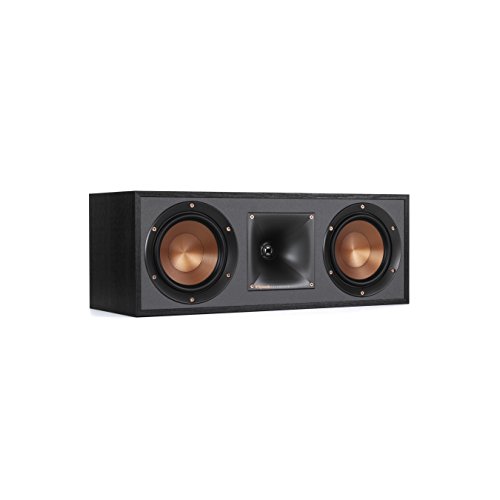
The Klipsch R-52C centers on dynamic vocal reproduction with dual 5.25″ spun-copper IMG woofers and a 1″ aluminum LTS tweeter paired to a 90×90 square Tractrix Horn. This design emphasizes articulate dialogue and lively front-stage presence, delivering a broad, textured midrange and a responsive top end. The horn shape improves off-axis performance, helping listeners in different seating positions enjoy consistent imaging. With a broad frequency response, the R-52C supports film soundtracks and TV dialogue alike, while maintaining a compact footprint suitable for most media rooms.
In practice, the R-52C pairs well with a range of front-channel speakers and a capable AVR, providing punchier mid-bass without overpowering speech. Its efficient design means you can achieve strong dialogue with moderate amplification, though room size and seating distance will influence perceived bass and imaging. For best results, align the center with the screen and place the speaker on a stand or cabinet shelf at ear level when seated. Consider adding a subwoofer if you want deeper, room-filling bass in larger spaces.
Polk Monitor XT35 Slim Center Channel

The Polk Monitor XT35 Slim Center Channel emphasizes a compact, low-profile design without sacrificing midrange clarity. It uses a 1″ tweeter and a quartet of 3″ dynamically balanced woofers to deliver an open midrange with clear articulation, keeping dialogues intelligible even during complex soundtrack moments. The slim enclosure is designed to harmonize with modern flat-panel TVs, reducing the chance of blocking the screen or creating a bulky visual footprint. This model is well-suited to smaller living rooms where unobtrusive styling matters as much as sound.
Polk’s XT35 also supports high-resolution playback and broad compatibility with Dolby Atmos and DTS:X setups, with 4- and 8-ohm impedance options helping integrate the speaker into a wide range of AVRs. Its multiple drivers help extend midrange and lower treble with refined detail, while the conservative cabinet design minimizes diffraction and coloration. For optimal performance, pair XT35 with a suitable center-height alignment and a matching front array to preserve a coherent front soundstage across the seating area.
Polk Signature Elite ES35 Slim Center Channel

The Polk Signature Elite ES35 Slim Center Channel blends a 1″ Terylene tweeter with six 3″ dynamic woofers to create a robust front-channel voice with a wide, immersive soundstage. Polk’s Power Port technology aims to deliver deeper, room-filling bass while maintaining clear midrange and highs. The curved cabinet design reduces edge diffraction and integrates aesthetically with contemporary TVs and furniture. The ES35’s high sensitivity and compatibility with 4- and 8-ohm amplifiers provide flexible integration into various AVR ecosystems, supporting lively dialogue with a sense of scale during action scenes.
From a practical standpoint, ES35 suits medium to larger rooms where dialogue clarity and front-stage impact matter most. It’s a good match for systems that rely on a central speaker to anchor vocals while leaving subwoofers to handle the lower frequencies. For best results, ensure proper toe-in and frame alignment with the other front speakers to maintain a cohesive imaging across seating positions, and consider room treatment to minimize reflections that can blur center imaging.
WDiYA Car Center Channel Speaker
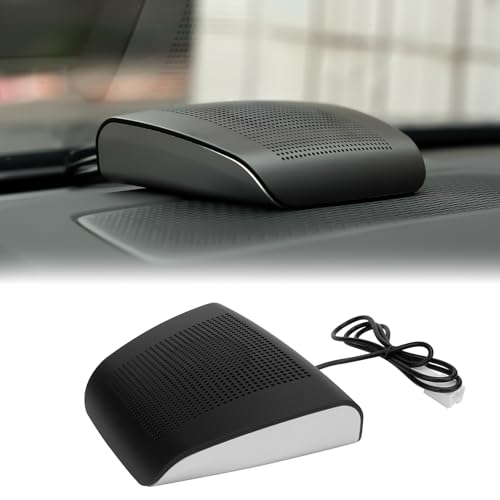
The WDiYA car center channel is designed for in-vehicle use with a 4-ohm impedance and 300W peak power, built to deliver crisp dialog and detailed highs in a compact dash space. The installation approach emphasizes a non-destructive, universal fit without cutting, and it includes a fixed mounting bracket for straightforward alignment within a vehicle’s center console. A flame-retardant shell and dustproof mesh offer durability and safety in automotive environments, making it a practical upgrade for car audio systems seeking clearer speech and enhanced vocal presence during driving.
While car-focused, the WDiYA unit demonstrates how a four-ohm design can pair with vehicle amplifiers to deliver responsive midrange and clean highs. It’s best used when the rest of the system is tuned for automotive acoustics, with careful positioning to avoid glare on windshields and dashboards. In vehicles, the center channel plays a key role in dialog, often benefitting from a separate subwoofer for musical bass while the center handles voice and effects with clarity.
Micca MB42-C Center Channel

The Micca MB42-C is a compact, two-way center channel that emphasizes clarity and imaging through a balanced woven carbon fiber woofer and a silk-dome tweeter. The ported enclosure extends bass response while keeping distortion low, helping to anchor dialogue and midrange with a controlled, even tone. Its smaller footprint makes it suitable for compact media setups where space is at a premium, yet it still contributes a believable front-stage presence when paired with adequate front-channel and subwoofer support.
In practice, the MB42-C offers solid value for budget-conscious setups needing a dedicated center channel with good vocal articulation. To maximize performance, pair it with well-matched front speakers and a compatible amplifier or AVR capable of delivering clean power at four ohms. Proper placement—ideally centered above or below the TV and aimed toward the listening position—helps ensure cohesive imaging across seating rows.
Buying Guide
Key purchase considerations help determine which four-ohm center channel best fits your system and room. Impedance, power handling, and sensitivity influence how loudly and cleanly a center channel plays, especially with dialogue-heavy material. Matching the speaker to the AVR’s impedance capabilities ensures safe and efficient operation, while the number and size of drivers affect midrange clarity and bass response. A slim design can save space but may require careful placement to maintain soundstage accuracy.
- Impedance and amplifier compatibility: Four-ohm speakers draw more current than eight-ohm models, so verify your AVR or amplifier supports four-ohm loads. Some Polk models advertise 4- and 8-ohm compatibility, offering flexibility for different receivers.
- Sensitivity and power handling: Higher sensitivity means the speaker can achieve louder sound with less power. Consider your room size and preferred listening level when pairing with a given amplifier.
- Driver configuration: A larger number of mid/bass drivers (e.g., six 3″ woofers) can deliver fuller front-stage bass, but care should be taken to avoid port noise and midrange coloration in smaller rooms.
- Cabinet size and finish: Slim and low-profile models resist blocking the TV, but you may trade off some bass extension. Choose a finish that matches your décor or TV stand for a cohesive look.
- Voice clarity vs. bass emphasis: Center channels primarily convey dialogue; prioritize models with clean, intelligible midrange and a well-controlled high end. Subwoofers can compensate for bass needs without compromising vocal clarity.
- Room acoustics and placement: Position the center at ear level and aimed toward the main seating area. If floor space is limited, a slim cabinet or wall-mount option can help preserve imaging and reduce reflections.
- Intended use: For home theater, prioritize imaging and dialogue clarity; for music-centric rooms, consider more driver surface area and dynamic bass response. Car-focused centers emphasize stage separation and vocal clarity in compact spaces.