Best One Inch Full Range Speakers for DIY Projects and Small Enclosures
Compact, one-inch full-range speakers can deliver surprisingly clear and efficient sound in small enclosures, radios, and DIY audio builds. This guide examines five accessible options, from budget-friendly 4Ω drivers to higher-efficiency designs, highlighting impedance, power handling, and mounting considerations. Each entry includes practical notes on suitability for projects like Arduino-powered speakers, portable kits, or replacement parts in compact systems. Use this overview to match your enclosure size, driver sensitivity, and amplifier capabilities with a dependable, compact full-range option.
| Product | Brand | Impedance | Power (W) | Diameter |
|---|---|---|---|---|
| ProTechTrader 1in Speaker | ProTechTrader | 8 Ω | Nominal 0.25 W; Max 0.5 W | 26 mm |
| WMYCONGCONG 1.5in Speaker | WMYCONGCONG | 4 Ω | 3 W | 40 mm |
| Gikfun 40mm Full Range Speaker | Gikfun | 4 Ω | 3 W | 40 mm |
| Dayton CE54N-4 CE54N-4 | Dayton Audio | 4 Ω | 15 W | 50 mm (2″) |
| GRS 3FR-4 Full Range Driver | GRS | 4 Ω | N/A | 3″ (76 mm) |
One Inch 26mm 8Ω Speaker – ProTechTrader

The ProTechTrader one-inch driver is specified as 8 Ω with a nominal power of 0.25 W and a maximum of 0.5 W. The unit is described as a replacement not originals, suitable for quick repairs in small devices. The diameter is 26 mm, and the model notes indicate a compact, round voice coil with a small form factor, intended for budget-friendly DIY updates in compact enclosures or portable speakers.
Gikfun 40mm Full Range Speaker – 4Ω

Gikfun’s pair consists of two 40 mm full-range drivers rated at 4 Ω and 3 W each. They are aimed at Arduino projects and DIY audio builds, with a resonance frequency around 320 Hz (±20 Hz) and a sensitivity near 83 dB. The set is suitable for compact radios, small multimedia boxes, or simple Bluetooth speaker builds where a compact, economical driver is desired.
Dayton CE54N-4 2-Inch Full-Range – 4Ω

Dayton Audio’s CE54N-4 is a 2-inch full-range driver with 4 Ω impedance and up to 15 W rating. It is positioned as an economical, crisper-sounding option for budget-conscious projects where a larger yet still compact driver is acceptable. The compact 50 mm diameter makes it a practical choice for slim enclosures or small DIY speakers that prioritize clarity without breaking the bank.
GRS 3FR-4 Full Range Driver – 4Ω
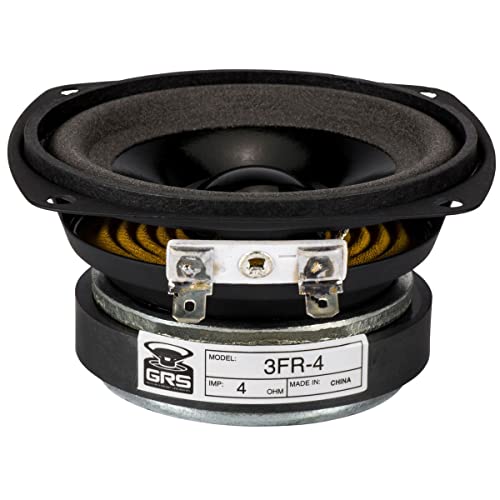
GRS 3FR-4 is a 3-inch full-range driver with 4 Ω impedance. The features highlight a coated paper cone with a foam surround and a front gasket, supported by a ferrite magnet assembly. This driver is designed for economical builds where modest power and simple mounting are acceptable, such as small DIY speakers or hobby projects seeking a straightforward, low-cost full-range option.
Buying Guide
Key purchase considerations
- Impedance and amplifier compatibility: Most of these drivers are 4 Ω or 8 Ω. Verify your amplifier’s rating and the enclosure’s load to avoid overloading or underutilizing the amp.
- Power handling and efficiency: Nominal and peak power specs matter for accuracy and headroom in your design. Higher wattage drivers can drive larger or louder enclosures, but require a suitable amp and enclosure design.
- Size, mounting pattern, and enclosure fit: Diameter and mounting holes determine if the driver fits your cabinet, radio, or DIY project. Smaller drivers save space but may require careful enclosure tuning.
- Frequency response and sensitivity: Look for a driver whose frequency range covers your target audio band and whose sensitivity aligns with your amplifier’s output for the desired loudness.
- Material and build quality: Cone material, surround, and magnet type influence durability and distortion characteristics. Simple hobby builds benefit from reliable, easy-to-mount drivers.
- Application and environment: For portable or weather-exposed projects, consider drivers with rugged housings or protective features, and ensure appropriate mounting hardware is used.
- Replacement availability and compatibility: If replacing a specific driver, matching impedance, mounting pattern, and acoustical footprint simplifies integration.
- Cost and value: Balance a driver’s price against its performance, power rating, and compatibility with your enclosure and amplifier to determine overall value.
Practical guidance for typical setups
- For ultra-compact enclosures or portable devices, prefer 1″ to 1.5″ drivers with 4 Ω impedance and modest power ratings for clean, efficient sound.
- For DIY Arduino or basic Bluetooth kits, 3″ drivers can provide fuller sound without large enclosures, provided the amplifier can drive higher impedance and power demands.
- When upgrading an existing small speaker, ensure the new driver’s mounting pattern and depth fit the original enclosure to avoid structural interference.
Note: This guide focuses on compact full-range options and does not include price data. Always verify current product specifications and compatibility with your target circuit or enclosure before purchase.