Best 1/4 Inch Speaker Cables for Reliable Audio
Choosing the right 1/4 inch speaker cable affects signal integrity in home theaters, studios, and live setups. This guide reviews five well-regarded options across lengths and gauges, focusing on durability, connector quality, and current-handling ability. Each cable binds solid copper conductors with rugged jackets to minimize noise and loss during frequent plugging and unplugging. The selections prioritize reliable builds suitable for amplifiers, mixers, and speakers. The following summary table offers quick specs, followed by in-depth product sections to help you compare at a glance.
| Product | Brand | Length | Gauge | Best For |
|---|---|---|---|---|
| Pig Hog PHSC3 1/4″ Cable | Pig Hog | 3 ft | 14 AWG | Short-run high output |
| GLS Audio 1/4″ to 1/4″ Cable | GLS Audio | 3 ft | 12 AWG | Guitar amp, bass |
| Yuyaokk 50 ft 1/4″ to 1/4″ Cable | Yuyaokk | 50 ft | 12 AWG | Long-stage runs |
| Hosa SKJ-403 Pro 1/4″ TS Cable | Hosa | 3 ft | Not specified | Professional live/studio |
| Yoico Pro 50 ft 12AWG 1/4 to 1/4 Cable | Yoico | 50 ft | 12 AWG | High-power setups |
Pig Hog PHSC3 14 Gauge 1/4 Inch Cable (3 ft)

Pig Hog PHSC3 is built for high-performance connections in tight setups. It uses 14 AWG copper with a 9.2 mm rubber outer jacket, delivering durability and flexibility for compact rigs. The thicker gauge reduces resistance and helps preserve signal level in short runs, such as between an amplifier and a monitor. The 3-foot length keeps cables out of the way in crowded desks or rack spaces, while the 1/4 inch connectors maintain solid contact through frequent plugging. This cable is suitable for demanding live and recording environments where reliability matters as much as sound quality.
GLS Audio 1/4 Inch to 1/4 Inch Cable, 12 AWG
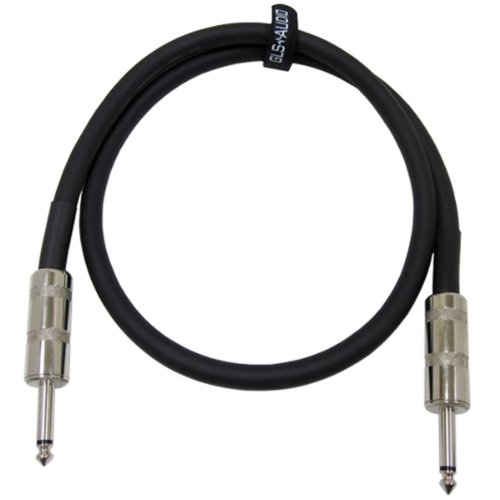
GLS Audio’s 1/4″ to 1/4″ cable emphasizes durability with high-grade copper and a flexible 10.5 mm rubber jacket. The 12 AWG conductors support high current and minimize voltage drop over short to mid-length runs, making it suitable for connecting a guitar amp or studio monitors. The design focuses on premium materials and reliability, ensuring a solid connection during performances or sessions. The black jacket offers a professional appearance and resilience against wear in busy rack setups. This option suits players and engineers prioritizing clean signal transfer with robust construction.
Yuyaokk 50 Ft 12AWG 1/4 to 1/4 Cable

Yuyaokk bundles a 50-foot, 12 AWG 1/4″ to 1/4″ speaker cable in a two-pack, designed for extended runs between amps and speakers. The cable uses Premium PVC-85P insulation and full copper conductors to deliver durability and flexibility for long-stage or studio setups. Reported benefits include low noise, minimal static, and reliable performance in high-power applications such as stage monitors and subwoofers. The quick-lock twist latch system helps prevent accidental unplugging during performances. This option is well-suited for venues or large studios that require extended reach without compromising audio quality.
Hosa SKJ-403 Pro 1/4 Inch TS Cable

Hosa SKJ-403 uses REAN 1/4″ TS connectors crafted for professional use, offering clear and robust audio through reliable components suitable for demanding stage and studio environments. The TS-to-TS configuration supports instrument and line-level connections common with guitar rigs and PA setups. The pro-grade build emphasizes durability for frequent assembly and disassembly during tours or sessions. REAN connectors are designed for low contact resistance and dependable signal integrity, making this cable a solid choice for players and engineers needing a durable 1/4″ cable that withstands repeated use.
Yoico Pro 50 Ft 12AWG 1/4 to 1/4 Cable

Yoico’s 50-foot 12 AWG speaker cable features a soft yet durable PVC-85P jacket with copper conductors designed for lengthy runs. The 1/4″ connectors, color-coded in black and blue, include spring-loaded lock-release latches and a Quick Lock twisting mechanism to ensure secure connections under high current. This setup is aimed at larger rooms or venues where distance matters, helping minimize resistance and maintain clear, strong audio across the full run. The overall build emphasizes reliability for stage monitors, house speakers, and subwoofers in demanding environments.
Buying Guide
When selecting a 1/4 inch speaker cable, consider how the cable will be used, the equipment involved, and the venue. A few core differences matter most: conductor gauge, jacket material, connector quality, and overall construction. Matching the correct gauge to the expected current helps preserve signal integrity, while a durable jacket reduces wear from moving or stepping feet during performances. Connector reliability prevents crackling and intermittent connections, which are common pain points in live and studio environments. Below are key purchase considerations and how they typically apply across use cases.
Length and Flexibility
Short cables (3 ft) are ideal for tight studio desks and compact racks, delivering less resistance and easier cable management. Longer runs (50 ft) are useful for stages and large rooms but can introduce some resistance and potential run noise depending on gauge. Flexibility matters because stiff cables can hinder setup and movement during performances. Choose a gauge and jacket designed to bend without kinking, especially around corners or in crowded patch bays.
Gauge and Conductors
Higher gauge (lower AWG number) typically supports higher current with lower resistance, beneficial for longer runs or high-power gear. 12 AWG is common for many pro applications, balancing flexibility and durability, while 14 AWG is adequate for shorter, lower-resistance connections. The choice depends on the gear’s impedance, distance, and the tolerance for signal loss over the intended path.
Connectors and Durability
Reliable 1/4″ connectors minimize contact resistance and maintain consistent signal transfer. Locking or twist-lock mechanisms help prevent accidental unplugging during performances. Metal-plated connectors resist corrosion after repeated use, while robust strains relieve stress at the connector and cable entry point to prevent fraying. A durable jacket—rubber or braided—adds abrasion resistance and improves life span in busy environments.
Shielding and Noise
Some cables emphasize shielding to reduce interference and noise, which is especially important in venues with many power sources or wireless devices. While not all 1/4″ cables advertise shielding, selecting a cable with solid copper conductors and quality insulation helps keep audio clean from hum, buzzing, or RF interference.
Value and Use Case
For home studios, a mid-range 12 AWG cable with durable connectors often provides the best balance of price and performance. For live stages, longer runs with heavy-gauge conductors and locking connectors reduce signal loss and accidental disconnects. If you move gear frequently, prioritize rugged connectors and a flexible jacket. Assess whether your setup benefits from two cables in a bundle for redundancy, long sessions, or multi-room arrangements.
Product Comparisons
The five reviewed options vary in length, gauge, and application. Short, high-gauge cables excel for desk-level or in-rack connections, while long, heavy-gauge options are better for stages and large venues. When choosing, align length with space, gauge with current needs, and connector features with reliability. For compact studio work, a 3 ft, 12-14 AWG cable often suffices. For stage use or extended studio installations, 50 ft, 12 AWG cables provide safer headroom and reduced signal loss across the run.